

What are the ongoing costs of owning a new-build property in Spain
The price of a new-build property in Spain is only the beginning. After the reservation payment, VAT, notary fees and completion costs comes the quieter part of ownership: the bills that keep the home running.
Some are obvious. Community fees, electricity, water and local property tax all need a place in the budget. Others are easier to miss until the keys are already in your hand: rubbish tax, insurance, internet contracts, alarm monitoring, air-conditioning servicing, furniture, non-resident tax and the occasional community reserve payment.
For buyers comparing off-plan apartments, new-build villas or Costa Blanca developments, these costs can change the real picture. A modern apartment with pools, gardens and a gym may be easier to maintain privately, but the community fee will reflect those shared facilities. A detached villa may offer more independence, but the owner usually carries more of the maintenance directly.
This guide explains the main ongoing costs of owning a new-build property in Spain, how they are usually paid, what they cover, and what international buyers should check before completion.
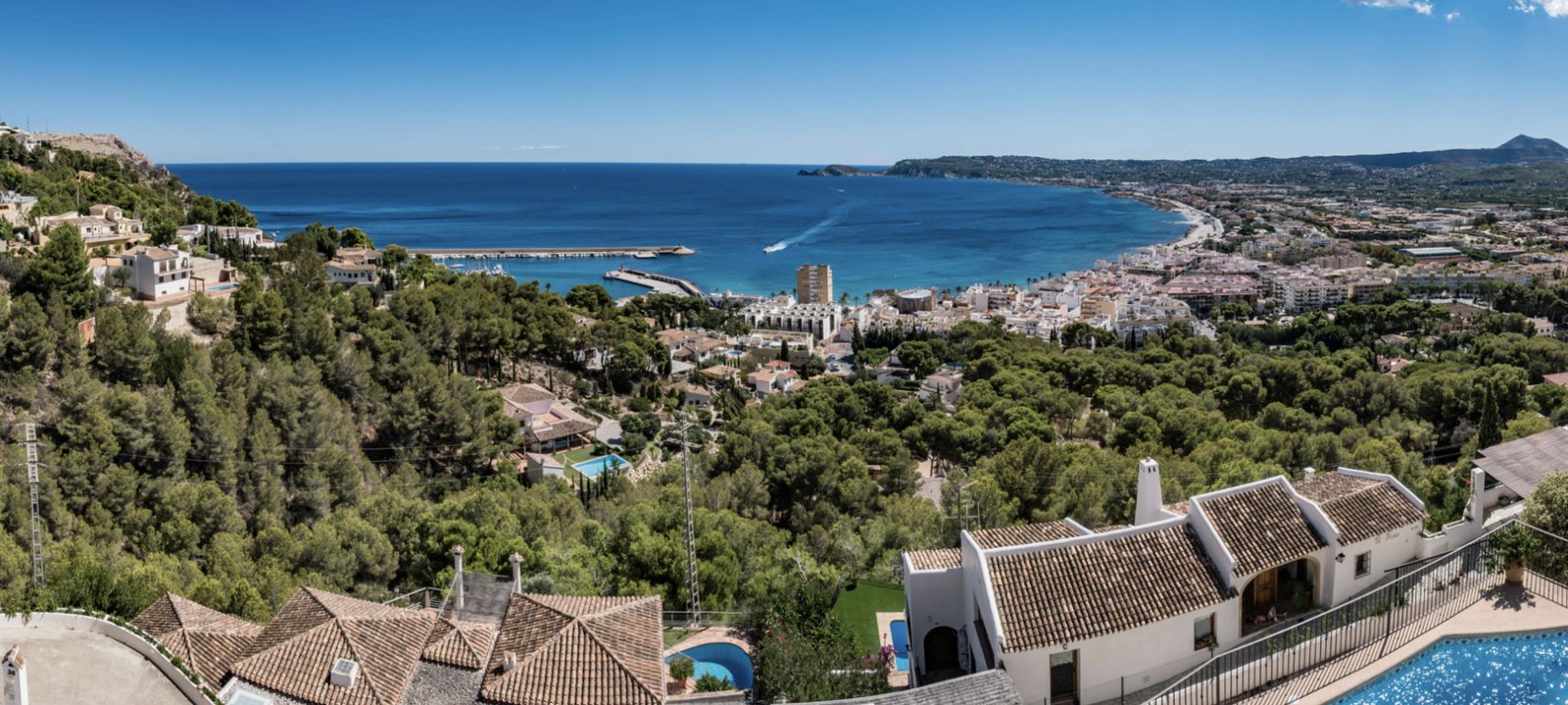
Typical Ongoing Costs for a New-Build Property in Spain
| Cost | Usually paid | What it covers | What buyers should check |
|---|---|---|---|
| Community fees | Monthly or quarterly | Shared areas, lifts, gardens, pools, lighting, cleaning and administration | Estimated fee, facilities included, reserve fund and future increases |
| IBI | Annually | Local property tax charged by the town hall | Municipality, cadastral value, payment calendar and direct debit setup |
| Rubbish tax | Annually or periodically | Local waste collection and municipal services | Whether it is billed separately from IBI |
| Electricity | Monthly or bi-monthly | Power supply, fixed charges and consumption | Contracted power, tariff type, promotional period and cancellation terms |
| Water | Monthly, bi-monthly or quarterly | Water consumption and standing charges | Local supplier, meter registration and direct debit |
| Internet | Monthly | Fibre, router and phone package | Contract length, installation fee and cancellation from abroad |
| Home insurance | Annually or monthly | Buildings, contents, liability and water damage | Mortgage requirements, exclusions and whether contents are included |
| Alarm system | Monthly | Monitoring, maintenance and emergency response, depending on provider | Minimum commitment, equipment ownership and cancellation fees |
| Maintenance | As needed | Air conditioning, appliances, terraces, gardens, furniture and repairs | Warranty limits, servicing intervals and access for non-resident owners |
| Non-resident tax | Annually | Tax declaration for non-resident owners, even if the home is not rented | Filing deadlines and whether rental use changes the calculation |
The exact amount depends on the property, municipality and how the home is used. A two-bedroom apartment used for holidays will not carry the same running costs as a villa with a private pool, garden, alarm system and year-round air conditioning.
Community fees are one of the main running costs in Spanish new-build developments. They are paid by owners within the comunidad de propietarios, the legal community responsible for maintaining the shared parts of a building or residential complex.
In a simple apartment block, the fee may cover the lift, entrance hall, lighting, cleaning and communal insurance. In larger developments, it can also include landscaped gardens, swimming pools, children’s areas, underground parking, gyms, co-working rooms, concierge services, security systems, paddle courts or internal roads.
That is why fees vary so much. A small building with limited shared facilities may have modest quarterly charges, while a resort-style development with several pools and staffed services will naturally cost more to maintain.
What Community Fees Usually Cover
Community fees are not just “the pool charge”. They usually cover the everyday running of the development, including cleaning, lift servicing, pool and garden maintenance, communal electricity, building administration, access systems, insurance, security where applicable, repairs and reserve funds.
For off-plan apartments, the developer may provide an estimated community fee during the sales process. This is useful, but it should be treated as an estimate rather than a fixed lifetime cost. Once the community of owners is fully operating, real expenses can change.
Buyer’s note: A very low community fee is not always good news. If a development has lifts, pools, gardens, garages, security or decorative lighting, those facilities need proper maintenance. If the monthly contribution is too low, the community may later need extra payments, known as derramas, for repairs or reserve funds.
A better question is not only “How much is the community fee?” but whether the fee is realistic for the facilities included.
IBI: Spain’s Annual Local Property Tax
IBI, or Impuesto sobre Bienes Inmuebles, is the annual property tax paid to the local town hall. It is not paid to the developer, bank or estate agency.
The amount depends on the property’s cadastral value, known as the valor catastral, and the tax rate set by the municipality. This cadastral value is used for tax purposes and is not the same as the market price.
For new-build homes, the first IBI bill may not arrive straight after completion. Cadastral registration and ownership updates can take time, so buyers should ask when the first bill is likely to be issued and how to set up direct debit.
How Much Is IBI?
There is no single IBI amount across Spain. Each municipality applies its own rate, and the calculation is based on the property’s cadastral value rather than the purchase price.
For many apartments, IBI may be a few hundred euros per year, while larger villas or higher-value homes can pay considerably more. As a rough reference, a modern apartment in the €250,000 price range might see an annual IBI bill somewhere around €150–€350, depending on the municipality and cadastral value.
For a new-build buyer, the best approach is to ask the developer, lawyer or agent for an indicative figure. The final bill, however, always comes from the town hall.
Rubbish Tax: The Small Bill Buyers Often Miss
In many Spanish municipalities, rubbish collection is charged separately from IBI. It may appear as tasa de basura, residuos sólidos urbanos or another local waste charge.
It is not usually the biggest cost of ownership, but it is one of the easiest to forget. Overseas buyers sometimes assume that all local charges are included in IBI. That is not always the case.
The practical issue is billing. If a small municipal tax is sent to the property address and the owner is abroad, it can be missed. Direct debit, online access or a fiscal representative can prevent a minor bill becoming an avoidable problem.
Electricity: Usage Is Only Part of the Bill
Electricity costs in Spain are not only about how much power you use. Even if the property is empty for part of the year, the bill may include fixed charges, contracted power, meter rental, taxes and other regulated or supplier-related items.
The potencia contratada — contracted power — is worth checking. If it is too low, using several appliances at once may trip the supply. If it is higher than needed, the owner may pay more in fixed charges. A small holiday apartment does not need the same contracted power as a villa with ducted air conditioning, pool equipment and electric car charging.
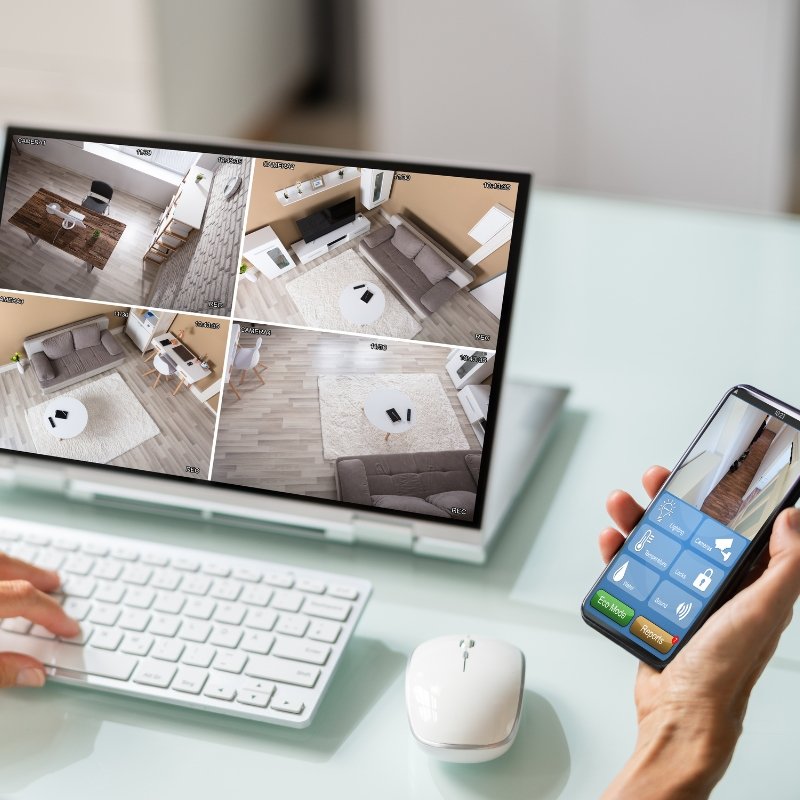
Promotional Prices and Contract Conditions
Electricity and gas suppliers in Spain often offer promotional prices for the first year or two. These can be useful when setting up a new home, but buyers should check what the tariff becomes after the promotion ends.
Changing supplier is generally a free process in Spain, but some free-market tariffs, service packages or promotional offers may still include conditions, notice periods or cancellation charges. Before signing, check whether there is a periodo de permanencia and what it would cost to leave early.
This is one of those small details buyers rarely think about at completion. After dealing with lawyers, banks, notaries and travel, it is tempting to accept the first “easy” utility option. Easy is good. But easy should still be readable.
Water: Local Supply and Fixed Charges
Water is usually arranged through the local supplier after completion, using the owner’s ID, bank details and property documents.
Bills often include fixed charges as well as usage, so even an empty holiday home can generate small payments.
In apartment developments, communal pool and garden water is usually paid through the community fee. Villas or ground-floor homes with private gardens, pools or irrigation may have higher summer usage.
Internet, Fibre and Mobile Packages
Internet may look like a minor cost, but for foreign owners it matters. Many buyers use the property for remote work, security cameras, smart-home systems or family holidays, so fibre availability should be checked before completion.
In many coastal towns and new developments, fibre is available, but not always from every provider immediately. A finished building does not automatically mean installation will be simple.
Promotional prices are common, so buyers should check how long the offer lasts, whether there is a minimum contract period, and whether cancellation can be managed easily from abroad.
For non-resident owners, flexibility can be worth more than the cheapest monthly price.
Home Insurance: Sensible Protection, and Often Required with a Mortgage
Home insurance is not generally compulsory for cash buyers in Spain, but it is usually a sensible part of ownership. A new-build home may come with developer warranties for certain construction defects, but those warranties do not replace everyday cover for water leaks, fire, theft, accidental damage, contents or liability to neighbours.
For foreign mortgage buyers in Spain, the position is different. Spanish lenders normally require at least fire or buildings cover for the mortgaged property. The bank may offer its own policy, sometimes linked to a lower interest rate, but buyers should compare the full annual cost rather than looking only at the mortgage rate.
It is also worth separating buildings insurance from contents insurance. Buildings cover usually protects the structure and fixed elements of the property, while contents cover applies to furniture, appliances and personal belongings. For a furnished holiday home, basic mortgage-required cover may not be enough.
Civil liability is another useful point to check. A water leak from your apartment into the property below, for example, can become expensive if the policy does not cover third-party damage.
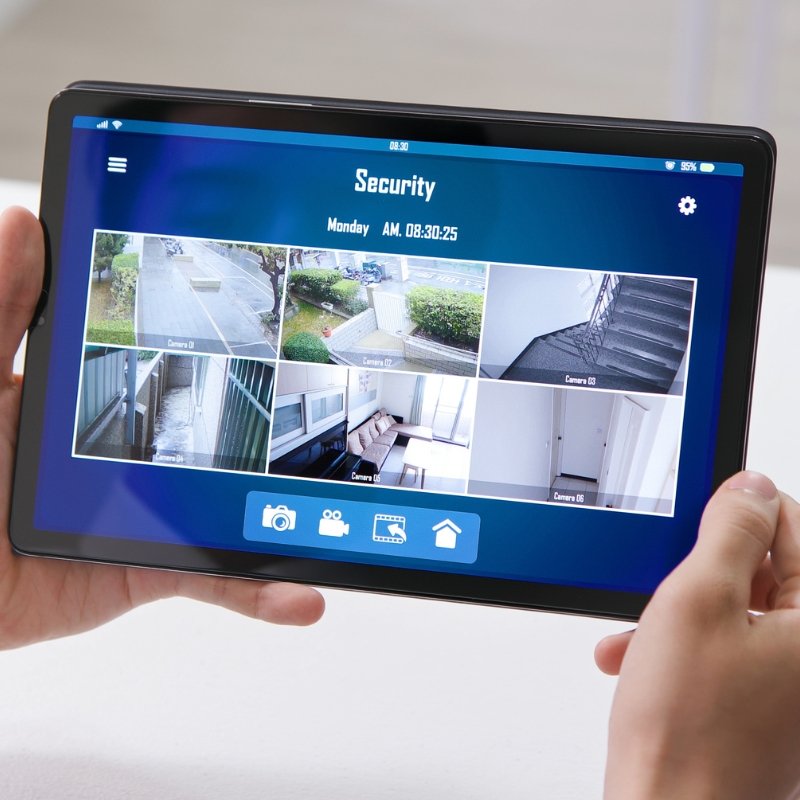
Alarm Systems: Optional, But Common for Overseas Owners
Alarm systems are not normally a legal requirement for homeowners in Spain. But they are common among overseas buyers, especially if the property will sit empty for several months a year.
Providers often advertise free installation, discounted equipment or low monthly rates. Before signing, buyers should check the monthly monitoring cost, whether the equipment is rented or owned, the minimum contract period and what happens if the owner sells the property.
This is not about making buyers nervous. It is about budgeting honestly. An alarm at €35–€60 per month is not dramatic on its own, but it becomes part of the real annual cost of a second home.
Maintenance: New Does Not Mean Maintenance-Free
New-build properties usually require less immediate maintenance than older resale homes, but they are not cost-free.
Air-conditioning filters need cleaning. Appliances may need servicing. Terrace furniture suffers in sun, salt air and wind. Silicone seals wear. Drains block. Gardens grow. Pool equipment, if private, needs regular care.
Buyer’s note: a warranty is not a maintenance budget. A new-build warranty may cover certain construction defects, but it will not cover ordinary upkeep. Air-conditioning filters, appliance servicing, repainting, terrace wear, garden care and small repairs are still the owner’s responsibility.
Even with a new property, keep a modest annual reserve for maintenance. It is easier to budget for small repairs than to treat every issue as an unexpected cost.
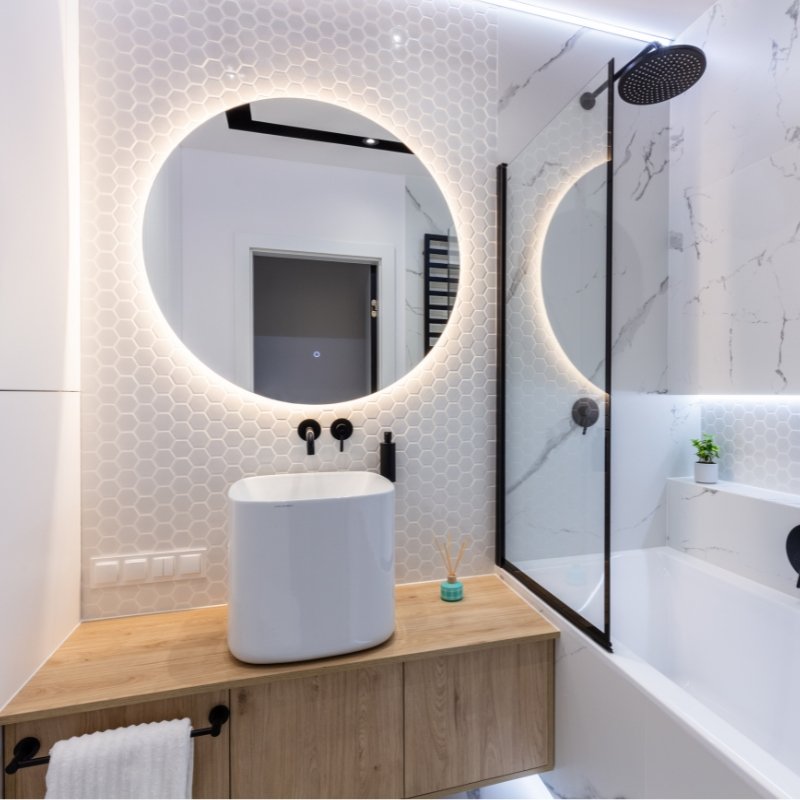
Furniture and First-Year Set-Up
Many new-build properties in Spain are delivered with kitchens and bathrooms installed, but not always with full furniture, curtains, lighting, small appliances or outdoor equipment.
The first year can therefore be more expensive than later years. Buyers may need beds, mattresses, sofa, dining table, terrace furniture, lighting, kitchenware, bedding, towels, blinds, decoration and extra storage.
For off-plan apartments, this is easy to underestimate because the marketing images already show a finished home. In reality, furniture packages and finishing touches can become a significant post-completion cost.
Non-Resident Tax and Rental-Related Costs
Foreign owners who are not Spanish tax residents may have tax filing obligations even if the property is not rented. Non-resident owners commonly need to file Modelo 210, with the exact treatment depending on whether the home is for private use or rented.
If the property is rented, the cost picture changes again. Owners may need to consider rental licence rules, cleaning, laundry, platform commissions, management fees, repairs, tax declarations and higher wear and tear.
This is an area where buyers should take qualified tax advice. The important point for property planning is simple: a private holiday home, a year-round residence and a rental property do not have the same running costs.
Choosing a Development: Why Running Costs Matter
When comparing new developments in Spain, it is easy to focus on location, views, floor plans and price per square metre. But the ownership structure matters too.
More facilities usually mean more maintenance. Pools, gardens, lifts, gyms, spas, concierge services and underground parking can make a development more comfortable, but they also shape the community fee.
A smaller building may have lower shared costs. A detached villa may offer more privacy, but the owner usually pays directly for more maintenance.
The right choice depends on how the property will be used. A holiday-home buyer may prefer a managed community with secure access. A full-time resident may care more about energy efficiency and year-round utility costs. A remote buyer may value online billing, insurance, an alarm system and a reliable keyholder.
The best new-build property is not only the one that looks good on handover day. It is the one that still makes sense after the first full year of ownership.
Summary: What to Budget for After Completion
The ongoing cost of a new-build property in Spain is not one single bill. It is a group of regular payments, local taxes and practical contracts that together shape the real ownership budget.
Buyers should expect community fees, IBI, utilities, water, internet, insurance and normal maintenance. They should also check smaller items such as rubbish tax, alarm contracts, furniture, non-resident tax, direct debit setup and cancellation terms for utility or service contracts.
The most useful approach is to ask questions before completion: what is estimated, what is confirmed, what is optional, and what may change once the community of owners is fully operating.
A good new-build purchase is not only about the property itself. It is about understanding how that property will work, cost and feel once the keys are yours.
FAQ: Ongoing property costs in Spain
About the author

SPACES & PLACES Exclusive Property S.L.
Information in this article is intended for general guidance only. Development details, pricing and availability may change; please verify all information directly with the developer or your trusted adviser before making any purchase decisions.
New Project in Denia, Spain
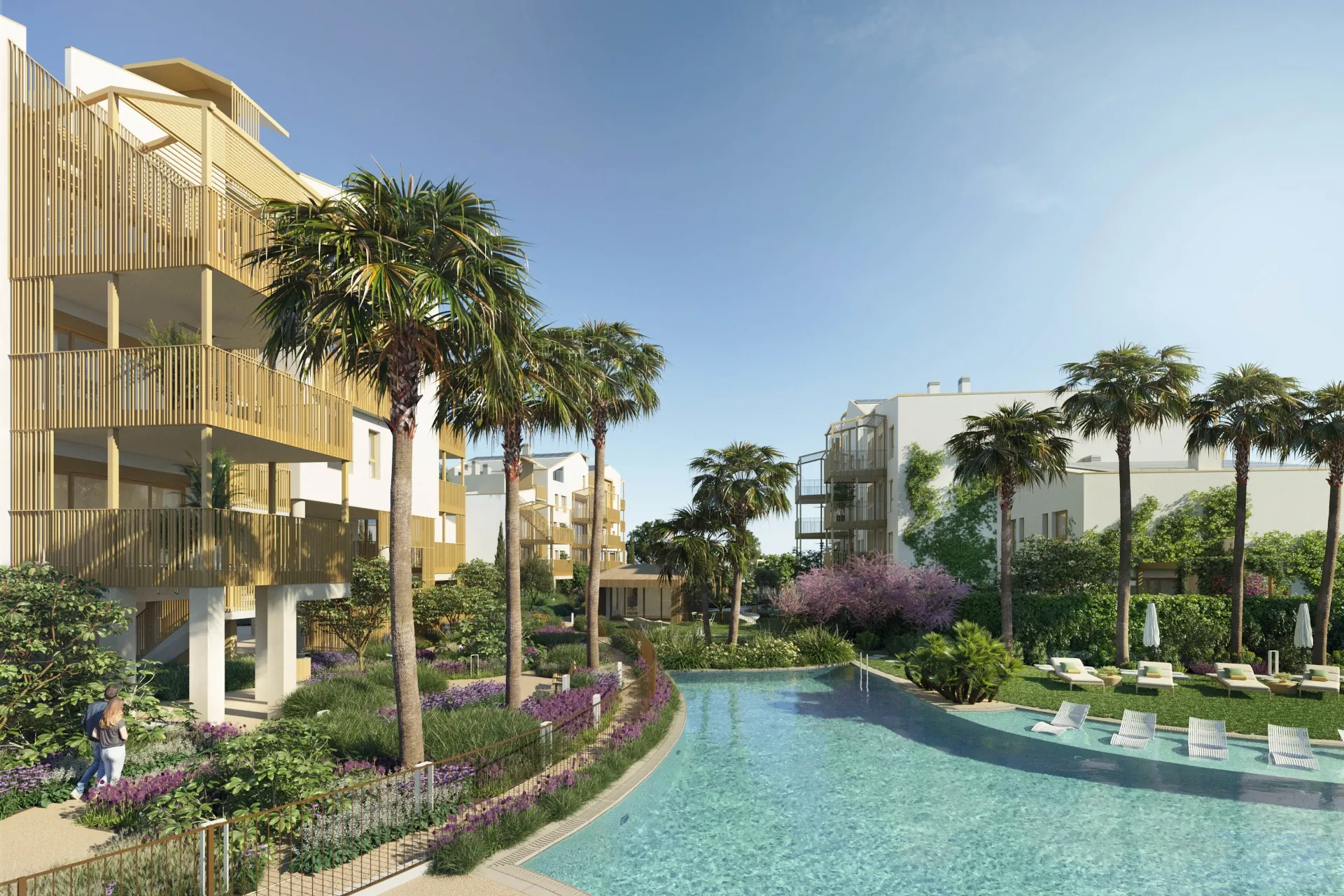
Talasa Caelus brings sustainable seaside living near Dénia: elegant new-build homes with spacious terraces, landscaped gardens and pools, blending design, comfort and energy efficiency.
Key-Ready Townhouse in Valencia Suburbs
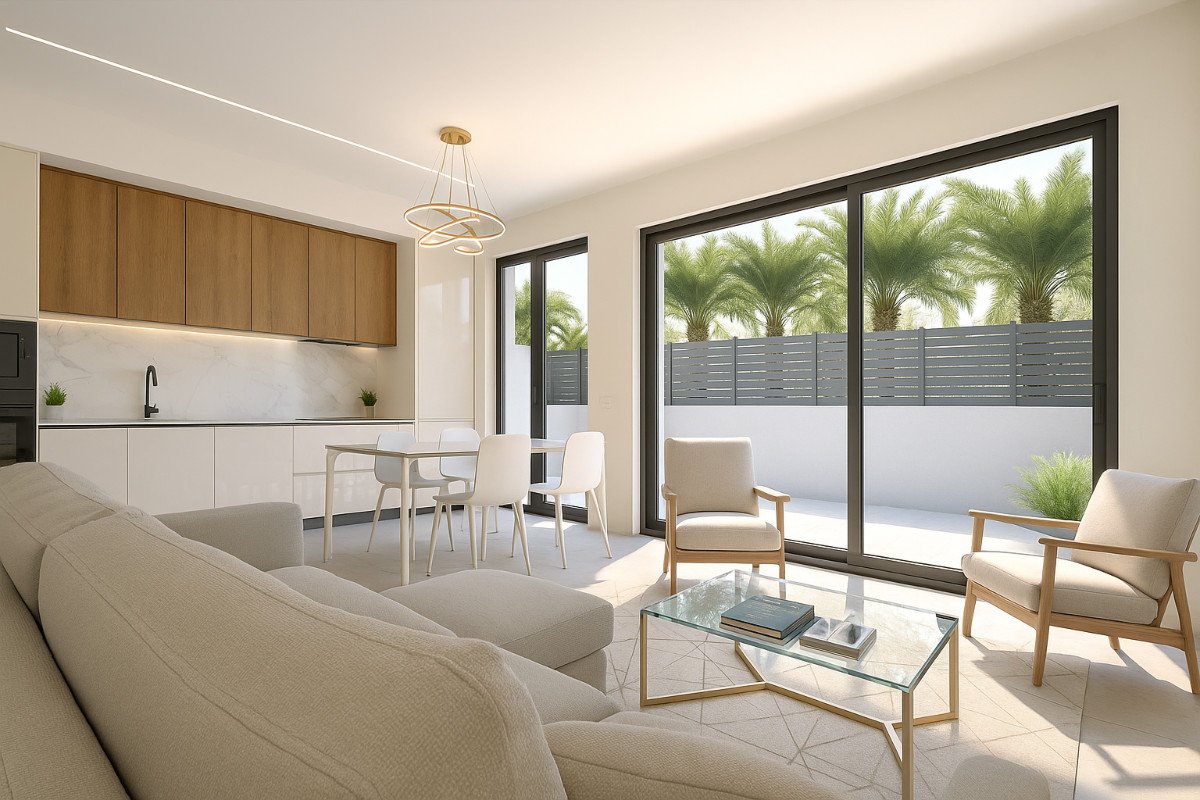
Modern turnkey home with private garden, terrace and high-quality finishes; featuring bright interiors, energy-efficient design and ready for immediate move-in.
New Penthouse in Valencia
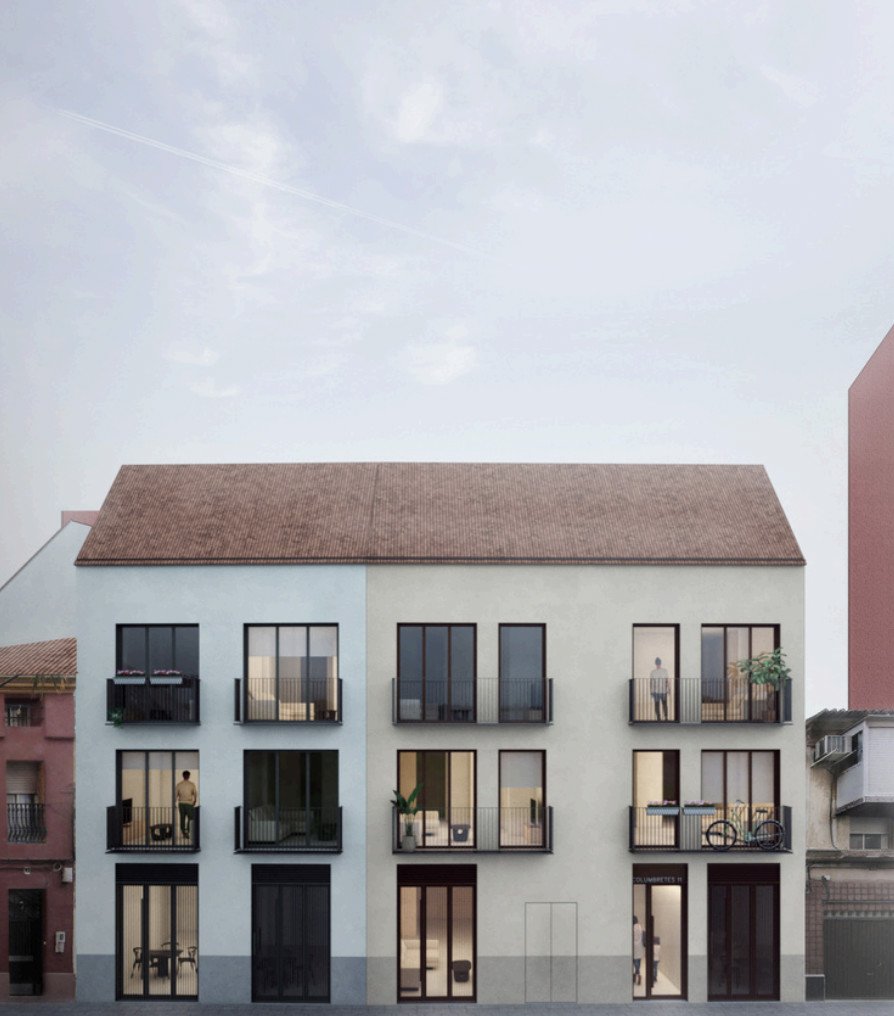
Exclusive new-build penthouses in Cabanyal, Valencia. 3 bedrooms, terraces and eco-friendly design close to the sea and city centre.